
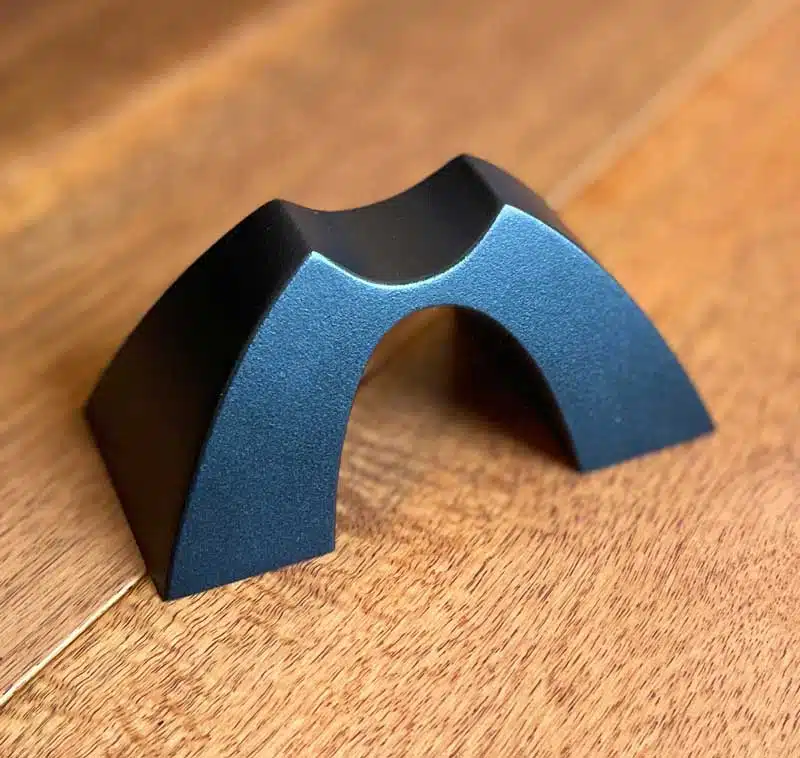
Do Cable Elevators Work? A Practical Guide for Real-World Audio Systems
For years, audiophiles have debated whether cable elevators actually improve sound — or whether they’re simply an aesthetic upgrade. Like many topics in high-end audio, the truth sits between real physics, system-dependent variables, and practical listening experience.
So let’s answer the question directly:
Do cable elevators work?
Yes — but not in every system, and not for the reasons most people assume.
This guide explains when cable elevators matter, why they can make a difference, and how to decide if they’re worth using in a real-world setup.
What Are Cable Elevators?
Cable elevators — sometimes called cable risers or cable lifts — are supports designed to raise speaker cables off the floor and maintain consistent routing in real listening environments.
By lifting cables off carpet, wood, tile, or concrete, they reduce direct surface contact, maintain predictable spacing between runs, and prevent bunching or overlap. Their purpose is not to “tune” sound, but to control physical variables that exist in actual rooms.
In many systems, the most immediate benefit is visual and organizational — creating intentional cable paths instead of loose runs resting directly on the floor.
Why Floor Contact Can Matter
Cable elevators don’t magically transform sound, but there are legitimate physical reasons why lifting cables can matter in resolving systems.
Mechanical vibration. Floors transmit energy from loudspeakers, subwoofers, equipment racks, and even foot traffic. When cables rest directly on the floor, they can mechanically couple to that vibration. Elevation helps reduce this contact.
Static interaction. Carpeted floors can generate static charge, and long cable runs resting on carpet increase the consistency of that contact. Lifting cables minimizes this interaction.
Cable interaction and proximity. When cables lie on the floor, they often cross or touch — speaker cables against power cables, interconnects overlapping signal paths. Elevators help maintain predictable spacing.
None of these effects guarantee an audible change — but together, they can remove variables in systems capable of revealing them.
When Cable Elevators Actually Make a Difference
Cable elevators are system-dependent tools, not universal upgrades.
They tend to matter most in high-resolution two-channel systems, setups with long speaker cable runs, rooms with suspended wood floors or thick carpet, and systems where cables currently cross or bunch.
You’re less likely to notice a change in entry-level systems, when cable runs are very short, when cables are already routed cleanly, or when room acoustics dominate the overall presentation.
In other words, cable elevators refine an already sorted system — they don’t fix fundamental issues.
What Audiophiles Actually Hear
Listeners who experiment with cable elevators often describe changes as subtle but cumulative — slightly improved clarity in complex passages, cleaner low-level detail, and a more settled, organized presentation.
Just as important is something harder to measure: confidence. When cables are elevated and routed intentionally, it removes a layer of uncertainty, allowing listeners to focus on music rather than setup variables.
How Many Cable Elevators Do You Need?
A practical guideline: the 4-Pack suits compact systems and nearfield setups, the 8-Pack fits most two-channel systems, and the 12-Pack is ideal for large rooms, long cable runs, or multi-amp systems. Even spacing matters more than simply lifting cables at the ends.
So… Do Cable Elevators Work?
Yes — when used in the right system, for the right reasons.
They won’t transform poor sound into great sound. But in resolving systems, cable elevators help remove variables, improve consistency, and refine both performance and presentation.
In high-end audio, progress often comes from stacking small, thoughtful improvements. Cable elevators are one of those finishing-touch tools.
FAQ
Do cable elevators work?
Yes, in some systems. Cable elevators won’t “fix” poor sound, but they can reduce floor contact, improve cable spacing, and remove small variables that resolving systems may reveal.
What do cable elevators actually do?
They lift speaker cables, power cables, and interconnects off the floor to help keep runs separated, prevent bunching, and maintain cleaner routing paths.
Are cable elevators worth it?
They’re most worth it when you already have a dialed-in system and want cleaner routing, more consistency, and a refined presentation. Results are system-dependent.
How many cable elevators do I need?
A 4-pack fits compact setups and short runs, an 8-pack fits most two-channel systems, and a 12-pack suits long runs, larger rooms, or multi-amp systems. Even spacing matters more than only lifting cable ends.
Do cable elevators help with carpet and static?
They can. Lifting cables off carpet reduces continuous surface contact and can minimize static interaction, especially with longer runs.
Where should I place cable elevators?
Space them evenly along the run where cables would otherwise touch the floor, cross, or bunch. Prioritize areas near power cords, intersections, and high-traffic zones.
For listeners looking to manage speaker cables cleanly and consistently, purpose-built cable elevators are designed specifically for this role in real-world audio systems.





Choosing the Right Cable Elevators
Whether you’re organizing a compact system or managing long runs in a dedicated listening room, properly spaced cable elevators help create stable, repeatable routing.
Standard Cable Arch™ models support single speaker cable runs. Cable Arch™ Duo models are designed for bi-wire and parallel cable configurations, maintaining consistent spacing while simplifying layout.
Selection should be based on cable length, cable weight, and overall system layout rather than assumptions about sonic change.